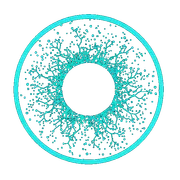
ReLAION-natural
Naturalistic images and embeddings for vision research.
I developed pipelines for image classification, quality checks, and feature extraction to curate the dataset.
Machine learning engineer & PhD researcher.
I build computer-vision systems, data pipelines, and software for research. I study how vision models relate to human brain activity.
Naturalistic images and embeddings for vision research.
I developed pipelines for image classification, quality checks, and feature extraction to curate the dataset.
Website, data services, and annotation tools for a replication initiative.
I developed the website, data services, and annotation tools, and contributed to preprocessing and documentation. I also helped design dataset splits for training and evaluating models.

A public brain-imaging dataset for visual neuroscience.
I built the website and cloud-based download services. I also helped preprocess the data and develop a framework for selecting experimental stimuli.
from thingsvision import get_extractor

extractor = get_extractor(
    model_name="alexnet",
    source="torchvision",
    device="cuda",
    pretrained=True,
)A common interface for extracting and comparing vision-model features.
I contributed to the software architecture, model integration, and memory efficiency.
At the Max Planck Institute and University of Giessen, I study how visual representations in models relate to the human brain.
Mahner*, Roth* et al. · NeurIPS 2026 (accepted) · Shared first author
We compared the object similarity structure of 162 vision models to distinguish universal from model-specific dimensions, and related that structure to image properties, neural activity, and human judgments.
Roth & Hebart · CCN · Oral
How does the choice of images affect what we can learn about the visual brain? We compared image-sampling strategies using simulations and fMRI data to study dataset coverage and model generalization.
Roth*, Duan* et al. · Communications Psychology · Shared first author
CMBB Replication Award · 2025
A practical guide to research software, covering project organization, testing, documentation, version control, and collaboration.
Badwal, Bergmann, Roth et al. · J Neuroscience
Roth, Miyawaki & Hebart · VSS poster
Roth et al. · MICCAI BrainLes 2021 proceedings
Roth, Seeliger, Schmid & Hebart · Cosyne poster
Max Planck Institute for Human Cognitive and Brain Sciences & University of Giessen
Independent research on vision models and human brain activity, with GPU-based data pipelines, fMRI experiments, and public research software.
ScaDS.AI Dresden/Leipzig
Deep-learning models for brain-tumor segmentation and predictive models for clinical data, including mortality prediction and uncertainty estimation.
CHECK24, Travel Vertical
Designed and deployed a production computer-vision service for 20 million hotel images. Improved recommendation-data pipelines, reducing update time by over 95%.
Kimetric UG
Delivered Django websites for Hebart Lab and the THINGS Initiative, from client requirements to deployment, Linux hosting, and maintenance.
Webdata Solutions GmbH (now Vistex)
Developed machine-learning models for product matching and image classification in e-commerce.
Mercateo Services GmbH & Co. KG
Data integration, reporting, and testing for an AWS-based data warehouse using Apache NiFi and Pentaho.
University of Giessen
Research focus: machine learning and computational neuroscience.
Leipzig University · Grade 1.2
Master’s thesis: generative deep learning for visual processing in the human brain (grade 1.1).
Leipzig University · Grade 1.5
A passage from Art and Fear and what it says about how we see other people's work versus our own.
A month with Claude Max taught me how work, science, and life will change radically in the very near future.
A little less formal.
Here's what life looks like away from the screen: climbing, making music, reading, and having friends over for dinner.
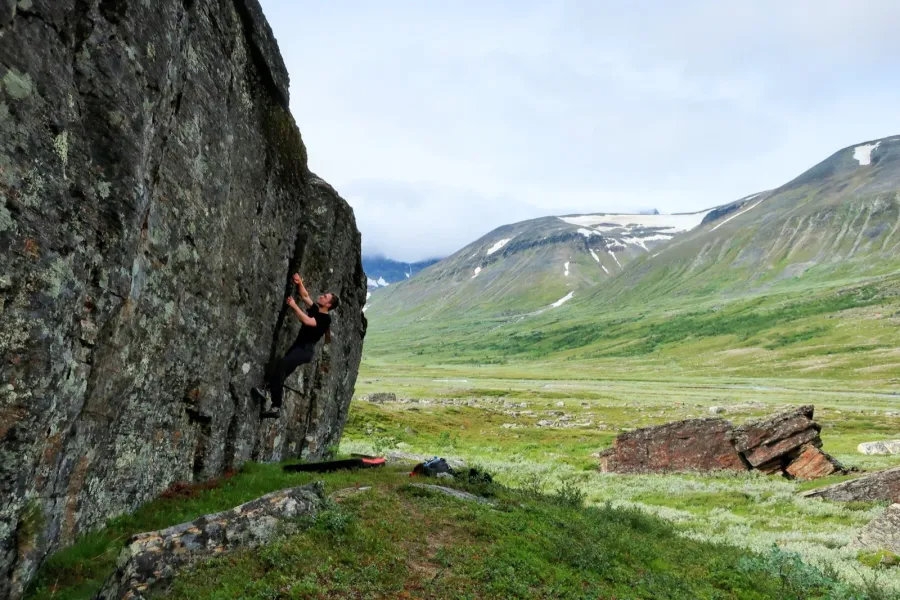
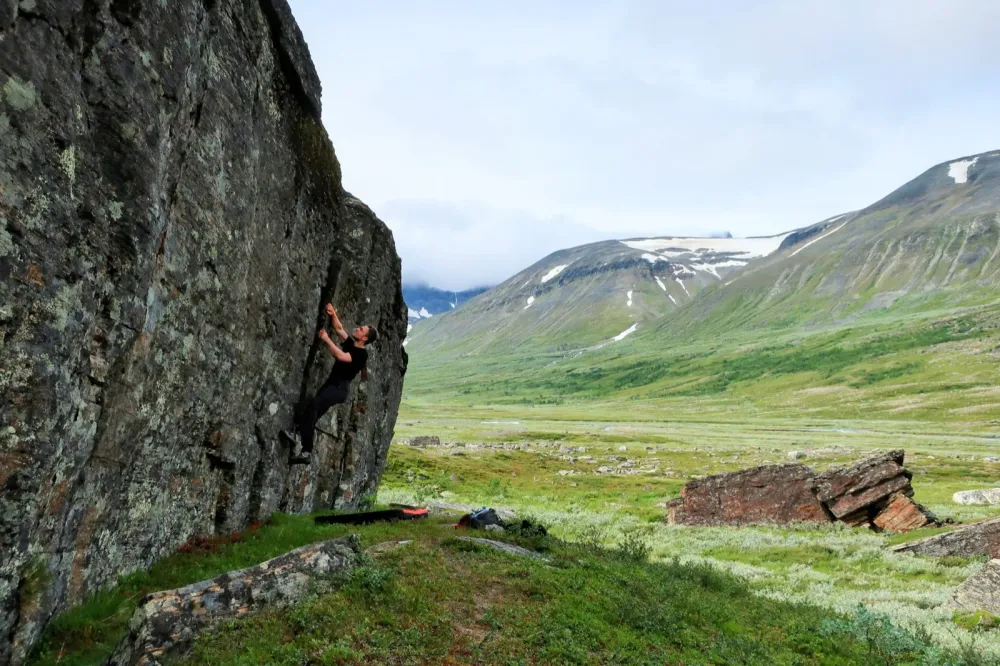
My love for moving my body started with joining a breakdance crew at 17. These days I mostly boulder, lift weights, and do yoga. A day in the mountains with some climbing is hard to beat.
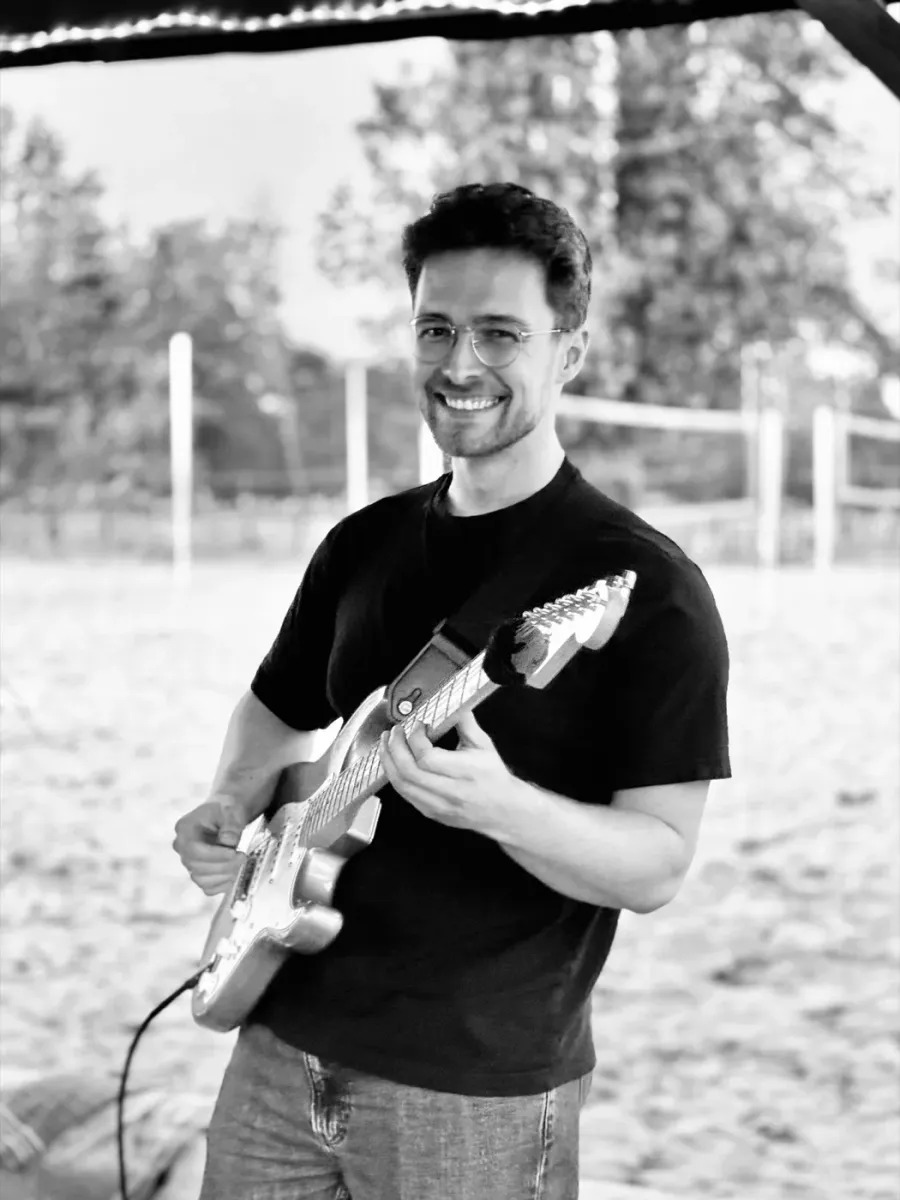
A few years ago, I asked some friends if they wanted to start a band. Everyone said yes. We mostly play pop punk covers at birthday parties, but the dream of writing our own songs is still alive.
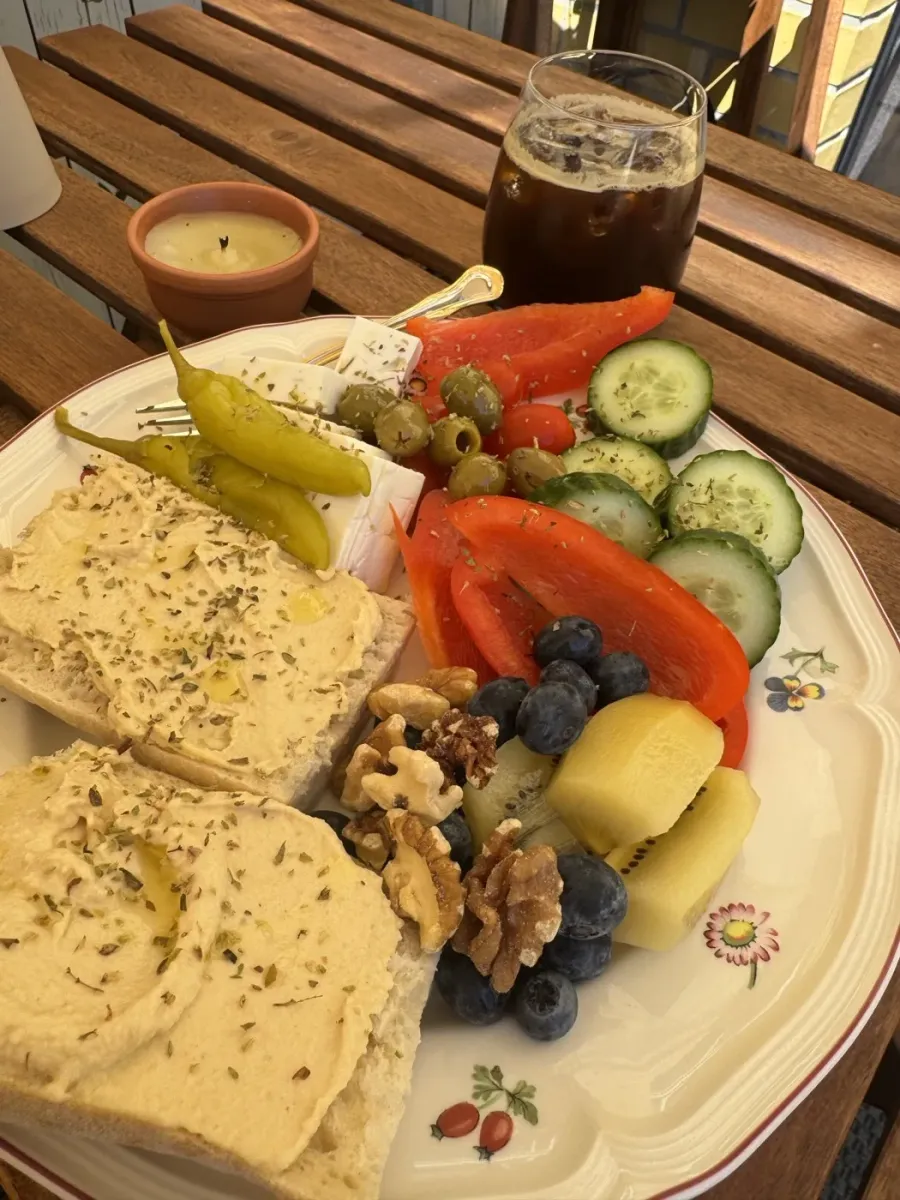
I used to be an incredibly picky eater. Now I love throwing whole food ingredients together and having friends over for dinner. Hosting is a blast, even when it gets surprisingly stressful.
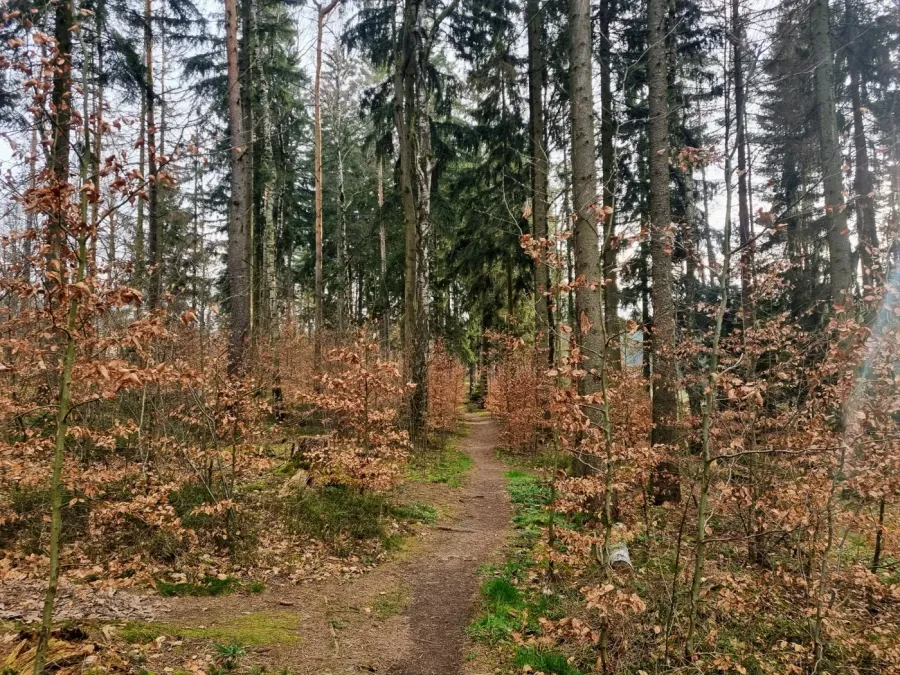
Meditation and I have had an on-off relationship for over a decade. A ten-day silent retreat in 2024 changed a lot for me. I walked this forest path probably a hundred times and kept discovering something new.
Books, music, and movies.
I listen to a bit of everything. Spotify probably knows my taste better than I do.
My wife and I watch horror movies with friends. I built a little recommender to help us choose.

Silence
Old Path White Clouds

You Are Here

No Mud, No Lotus

Peace Is Every Step
When Things Fall Apart

Full Catastrophe Living

Wherever You Go...

Why We Meditate

The Art of Living

Be Here Now
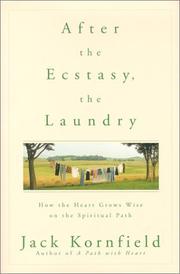
After the Ecstasy, the Laundry
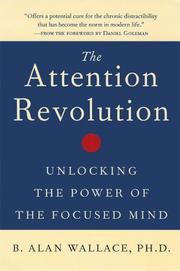
The Attention Revolution

The Book: On the Taboo
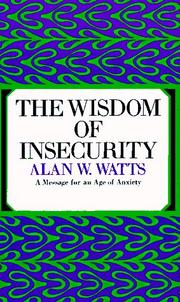
The Wisdom of Insecurity

Autobiography of a Yogi

Doors of Perception

The Psychedelic Explorer's Guide

Food of the Gods

Red Rising series
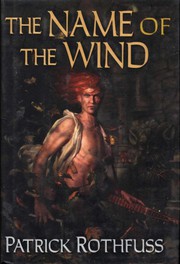
The Kingkiller Chronicle

A Song of Ice and Fire series

The Expanse series

The Belgariad series

Mistborn series

The 13th Paladin series

The Three-Body Problem
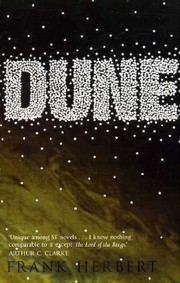
Dune
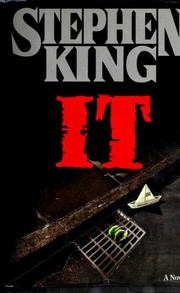
It
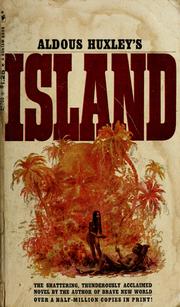
Island
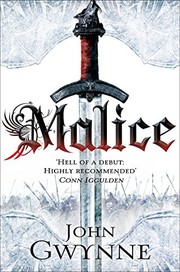
Malice

Of Blood and Fire

Gods of the Wyrdwood
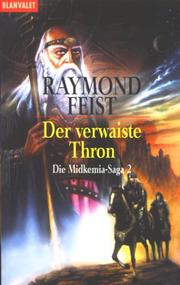
Magician

The Dwarves

Uldart: Die dunkle Zeit
Der Turm der Bettler

A Wizard of Earthsea

Ender's Game

Braiding Sweetgrass

Wild

Into the Wild

Into Thin Air

Seven Years in Tibet

Born to Run
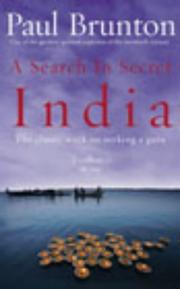
A Search in Secret India

Adult Children of Emotionally Immature Parents

How to Do the Work

Why Has Nobody Told Me This Before?
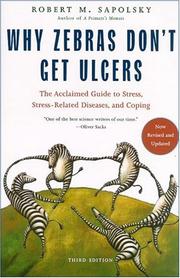
Why Zebras Don't Get Ulcers

Maybe You Should Talk to Someone
In the Realm of Hungry Ghosts
How to Change Your Mind

DARE

Feeling Good

A Liberated Mind

Four Thousand Weeks
Deep Work

The Myth of Normal

How Not to Die

How Not to Age
Food Rules

Omnivore's Dilemma

Deep Medicine
Total Immersion

24/6

Smartphone Nation

It Doesn't Have to Be Crazy at Work
The Age of Surveillance Capitalism

How to Break Up with Your Phone

Make Time
We Should All Be Feminists

Men Explain Things to Me

The Road to Reality
Surely You're Joking, Mr. Feynman!

Tools of Titans

How to Win Friends and Influence People
The Life-Changing Magic of Tidying Up

When Breath Becomes Air

Man's Search for Meaning

That Good Night

The Obstacle Is the Way
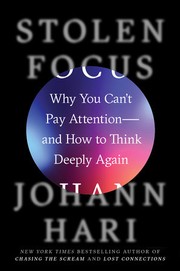
Stolen Focus
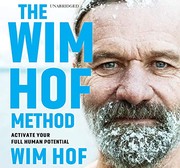
The Wim Hof Method

Atomic Habits

Indistractable

Waking Up
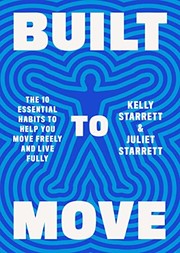
Built to Move

Kitchen Confidential

The Comfort Crisis

The Shallows
A passage from Art and Fear and what it says about how we see other people's work versus our own.
A month with Claude Max taught me how work, science, and life will change radically in the very near future.
For research, collaborations, or a good conversation.